
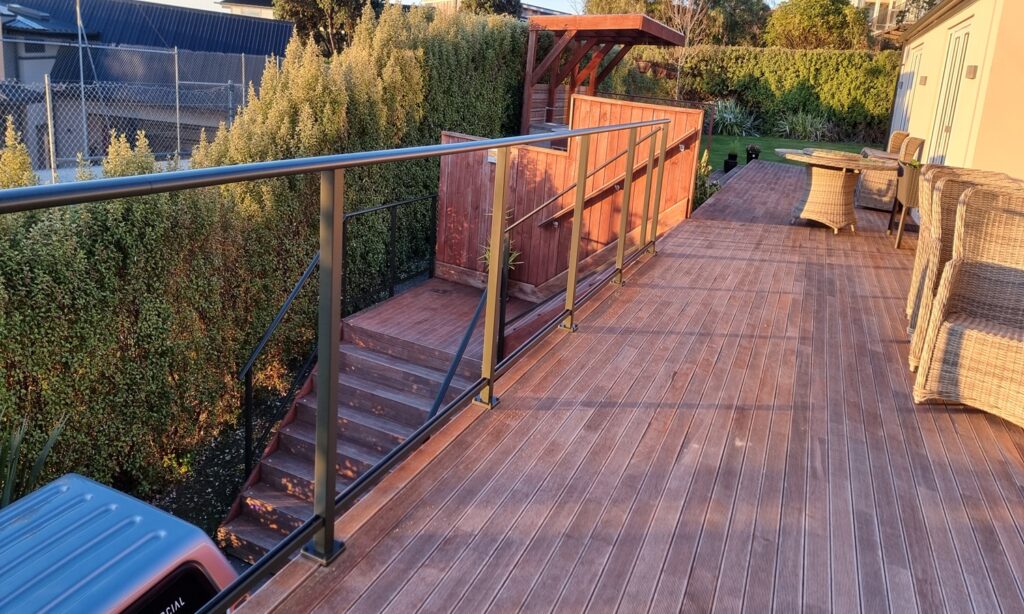
When spray painting metal, preparation is key to achieving a smooth, durable, and professional finish. It is not only important when doing a DIY project, outdoor furniture restoration, or industrial equipment refinishing, but also in making sure that the paint sticks and lasts longer; it is important to prepare metal to be sprayed. Failure to do this critical step may result in high levels of poor adhesion of paint, rusting, peeling, and uneven finish.
Here, we will take you through all the steps that you need to take to clean, prime, and sand metal surfaces before you begin painting. Whether it is the elimination of rust or the selection of the appropriate primer, we will make sure that you have everything you need to prepare your metal surfaces to that desired ideal coat of paint.
Why is Preparing Metal for Spray Painting Important?
Preparation by itself is not important, as it is essential to prepare the metal before spray painting.
And the basis of a fantastic finish is proper preparation of the metal to be sprayed. Without following all of the major preparation steps, your paint may not stick well together and will chip, peel, or rust away. Here’s why it matters:
When the surface is properly prepared, better adhesion results with the paint and its longevity.
Deters Rust and Corrosion: Any existing rust spots should be removed, and then the surface treated with the appropriate primer to deter any further corrosion at odds with the paint.
Obtains an Aesthetic Metal Surface to Paint: This is because the smooth surface is a perfect finish that looks professional and permanent.
Preparing Metal for Spray Painting
Clean the Metal Surface
Cleaning is the initial step in preparing metal for spraying. This is to make sure that no dirt, grease, or contaminant is on the surface, which will cause hindrance to the adhesive property of the paint. New Look Coatings is a company that provides professional services in the preparation of metals to be painted or sprayed in Christchurch, New Zealand. It could be aluminium window frames, steel, or outdoor furniture, but we see to it that your project gets the attention it deserves.
Here’s how to do it:
Metal Surface Cleaning: Wash the metal surface with a solution of warm water and mild soap. Cleanse the dust and grime using a brush. When dealing with greasy or oily metal surfaces, it is important to degrease the metal prior to painting by using a strong-duty degreaser available at the local Christchurch stores.
Rinse and Dry: After cleaning the metal, run it under a little clean water and dry it thoroughly using either a cloth or by letting it dry in the air.
Remove Rust and Corrosion
Rust is also a frequent complaint of metal surfaces, especially those that are in the open in Christchurch. It may lead to peeling off the paint or its inability to adhere. This is how to be effective in the removal of rust and corrosion:
Removal of Corrosion on Metal: Begin with the wire brush or sandpaper to scrub off the rust. At more difficult rust, an abrasive blasting metal process might have to be used. This includes applying a high-powered abrasive device in order to cut off the rust, leaving the surface clean.
Removing all the rust: Once you have got the rust off, you might decide to sand the surface and make it smooth. Begin with coarse sandpaper (80-grit), and then proceed to finer sandpaper (220-grit), to obtain a smooth and clean surface. It is an excellent method of obtaining a smooth metal surface on which to paint.
Apply a Primer
One of the most necessary operations in the preparation of metal to be sprayed is priming. Primer offers a better surface on which the paint attaches and helps prevent rust. Metal primers are of various types, and therefore, you need to select the correct metal primer according to the project you are carrying out.
Types of metal primer: In the case of the outdoor exposed metal surface, apply a rust-resistant metal paint primer. The composition of these primers will help to avoid corrosion, and your paint will last longer.
Etching to be painted on a surface: There are also surface etching primers that are used to chemically etch the metal surface, which causes the paint to adhere even better to the metal. This is especially helpful when dealing with smooth or non-porous metals such as aluminium.
Adhesion of the Spray Paint: Spray the primer evenly. Ensure that the primer is completely dry before proceeding to the next step. After the primer has dried, it is possible to sand it lightly with fine-grit sandpaper to provide an incredibly smooth surface to paint.
Sand the Metal Surface
After the primer is dry, sanding the metal surface once more will smooth it and make sure the final painting is done. Here’s what to do:
Sanding Metal to Spray Paint: With medium-grit sandpaper (about 120-grit), sprinkle the primed surface with sandpaper. To have an even smoother finish, polish away with a finer sandpaper (220-grit).
Metal Refinishing Before Painting: It is the procedure that is important in the formation of an impeccable finish. You can sand and then be sure that the surface is dusted before any paint is put on it.
Apply Spray Paint
After the metal is ready and sanded, it is now time to put on the paint. To have a long-lasting finish, it is important to select the proper spray paint.
Selecting the correct Paint: Select a spray paint that is designed specially to work on metal. These paints are supposed to be wear-resistant, rust-resistant, and element-resistant. Rust-resistant metal paint can be considered for use in Christchurch, as the weather can be challenging here.
Apply Thin, Even Coats: Begin by applying a small, even layer of paint. Keep the spray can 6-8 inches away and spray in a back-and-forth motion. Allow the initial coating to dry for 15 minutes and then apply a second coating. A few coats of paint will give the most satisfactory results.
Allow Drying Time: It is important to give the two coats plenty of time to dry, and to make sure the last coating is completely dry before touching the metal.
Let the Paint Cure: When the last coat of paint is dry, leave the metal to dry for 24-48 hours. Curing will make the paint bond well with the metal surface, and it will be more resistant to wear and tear.
Cleaning Metal Before Painting
Cleaning of the metal prior to the process of painting is among the most crucial procedures in preparing metal to go through the process of spray painting. The paint can fail to stick on without adequate cleaning and result in an uneven or peeling finish. The following are the steps to cleaning metal before applying paint:
Remove Dirt and Debris
Begin by eliminating any dust, dirt, or other types of debris on the metal surface. A brush or a cloth can be used to wipe the metal.
| Soap and Water | Warm water, to be mixed with a mild soap and a cloth or a sponge, should be used to wash the metal. This will assist in eliminating any dirt or oils on the surface. |
| Rinse and Dry | Rinse the metal with clean water after scrubbing to remove the remnants of the soap. Use a clean cloth or towel to dry the metal well to prevent spots of water. |
Degrease the Metal
In case the metal is greased or oiled and any other residues are present, it is important to clean them to enhance the painting application.
| Apply Degreaser | Rub a degreaser on the metal surface. Degreasers have been specifically tailored to dissolve grease and oils. They are available in the majority of the hardware stores in Christchurch. |
| Wipe the Surface | Use a brush or cloth to wipe the degreaser on the metal to make sure it goes into all the greasy areas. |
| Rinse and Dry | After you have wiped off the grease, wipe with clean water and dry off. |
Rust Removal
And in case your metal has some rust on it, it is imperative to remove it before you paint to avoid subsequent difficulties.
| Wire Brush or Sandpaper | Scrub any rust off with a wire brush or sandpaper. With bigger regions, a power sander can be used. |
| Abrasive Blasting | In case of intractable rust, abrasive blasting can be used. This is a very common method of removing heavy rust and leaves a clean, smooth surface to paint. |
Final Rinse and Dry
Once it is cleaned and any rust taken off, it is important to rinse the metal one more time with clean water and dry it to make sure that there are no remains on the surface. The remaining debris might inhibit the adhesion of the paint.
Metal Painting Techniques
Now that your metal has been cleaned and is ready, it is time to paint it. For a smooth, even finish, metal painting techniques are essential. The following are some of the methods that can be used in painting metal surfaces:
Spray Painting Metal
One of the most common ways of painting metal is by spray painting, particularly when dealing with DIY projects or in large areas. It provides a smooth surface of paint.
| Thin Coats | It is always good to have thin coats of paint in a uniform manner. Begin spraying on one side and then proceed over the surface. Ensure that you keep the can 6-8 inches off the metal. |
| Allow Drying Time | After each layer, the paint should be allowed to dry for 10-15 minutes. The slices are better than the single thick coat. |
Brush Painting Metal
Brush painting can be a better solution to use when you are working with smaller projects or areas that need a greater degree of precision.
| Apply the Right Brush | Select a brush with a metal-designed application. A sterling synthetic brush with a bristle is suitable for smooth application. |
| Use Long, Straight Strokes | Use even strokes of the paint. Apply the paint in bits to avoid the upkeep of the paint before it dries, which will not allow you to smooth it out. |
Roller Painting Metal
Larger and flat metal surfaces, such as fences or garage doors, are best treated using roller painting.
| Apply onto the foam roller | In case of the metal, a foam roller should be applied. Foam rollers have a smooth appearance and do not leave brush strokes. |
| Apply in Sections | It is best to work in small sections so you do not miss any spots. Use the paint in a uniform manner, removing roller marks as it goes on. |
Powder Coated Metal Painting
Powder coating is a hardy finish which is commonly applied to industrial or commercial metal work. An electrostatic charge is used to apply the powder, which is then cured under heat.
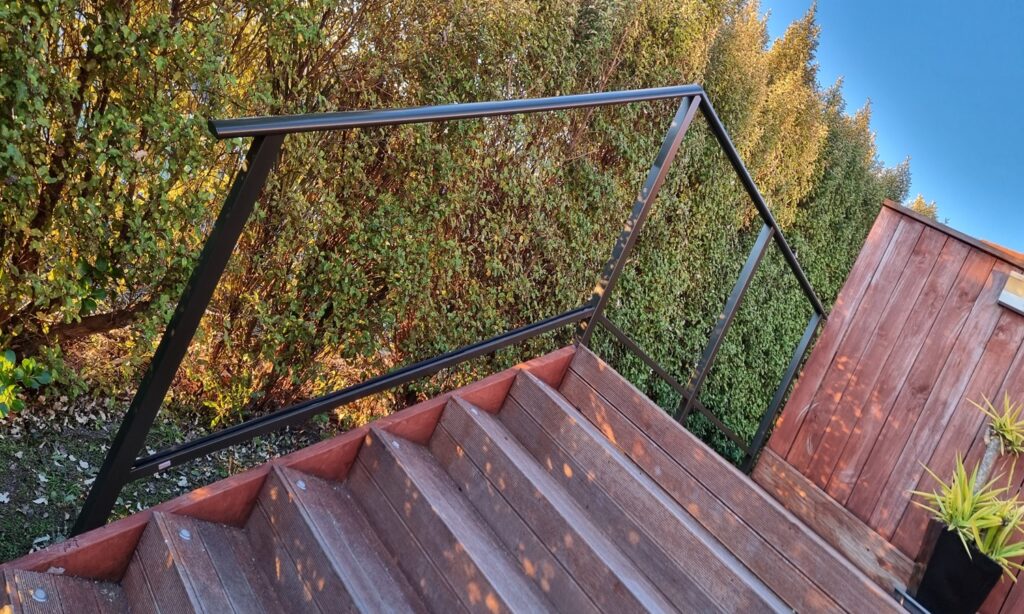
Very Durable: Powder coating generates a durable surface that is robust and is unlikely to be scratched, faded, or worn out. It is good on metal surfaces in extreme conditions.
Professional Usage: This method generally involves professional gear, although this method is ideal for undertakings that have to be used extensively or in the outdoors.
Using a Metal Primer: Prior to commencing paint work, it is important to have a primer on so that the paint can be affixed to the metal.
Select the Right Primer: To repair rusted metal or other exterior metal, use a rust-defying primer. With aluminum, be keen to apply a primer that is intended to be applied on that type of metal.
Apply Even Coats: Pour or roll a Thick Coat of primer and let it dry, and then apply your paint. Lightly sand the primer as it dries so as to reveal a smooth finish.
With these metal painting methods, you will be able to create professional results and guarantee many years of the paint job. His point is that no matter what you are painting, be it aluminium window painters, outdoor furniture, or other metal, the right technique will result in the difference between the final look and longevity.
Common Mistakes to Avoid When Preparing Metal for Spray Painting
Although it is quite easy to prepare metal to be sprayed, there are some general errors that can influence the final outcomes. The following are some of the pitfalls that should be avoided:
Skipping Cleaning or Degreasing Steps
Washing the metal is a requirement for good paint adhesion. Failure to do this will result in the paint not sticking correctly, causing a disarrangement of the paint job.
Not Removing All Rust
The presence of rust on the metal will lead to the premature failure of the paint. It is important to clean out all the rust before applying paint and primer.
Under-Sanding or Over-Sanding
Over-sanding will destroy the metal surface, and under-sanding will lead to poor adhesion of paint. It is important to be careful so that you do not sand too much, making the surface smooth and thus lacking a good bonding surface to the paint.
Using Thick Coats of Paint
Layers of paint can be thick, and therefore can drip or give an uneven finish. Use multiple layers, but leave intervals between them.
Conclusion
A high-quality and long-lasting finish depends on proper preparation of the metal to be sprayed. Whether it is cleaning and rust removal, application of the appropriate primer and spray paint, all the steps are quite significant in ensuring that the paint adheres well and remains intact. Whether you approach the Christchurch DIY project or decide to hire a professional, the steps outlined will ensure your metal surfaces look good and remain safe.
FAQs
How to fix rusty metal for spray painting?
To spray paint rusty metal, it is best to remove the rust first. Eliminate the rust with a wire brush, sandpaper, or abrasive blasting. Once the rust is removed, clean the metal well and then apply a rust-inhibitor paint over it to avoid further rusting.
What should be done to make metal paint stickier?
As a better alternative to metal paint stick, the surface should be clean, smooth, and without grease, oil, or rust. Clean the metal using a degreaser, give the metal a texture by sanding it, and apply an appropriate primer. These measures contribute to an enhancement of the adhesion of paint.
What’s the best way to clean metal before spray painting?
The most effective method of cleaning the metal prior to spray painting is to wash the surface using soap and water in order to remove dirt and then apply a degreaser in order to remove grease or oil. Then dry and clean the metal. For rust, sandpaper or a wire brush can be used to remove it.
What is the point of preparing metal prior to spray painting?
Before spray painting metal, it is important to prepare the metal since it promotes the adhesion of paint, prevents rust in places that have not been covered by the paint, and the end result is a smooth and stronger finish. Adequate preparation guarantees a longer life of the paint and makes it look good.
Is it possible to spray paint on top of old metal paint?
It is possible to spray paint on top of old paint on metal, but it is pertinent to clean and lightly sand the area so that the paint adheres well. In case the existing paint is flaking or peeling, then the old paint must be removed, and then new paint applied.
Should I prime metal prior to spray painting?
Yes, it is highly recommended that metal be primed prior to being sprayed. Primer assists in making the paint stick on, it shields the metal against rust, and it makes the surface on which the paint will stick smooth. It is particularly vital for outdoor or rust-prone metal.
How long should you wait after sanding metal before painting?
Once the metal has been sanded, wait a few minutes to ensure the surface is completely dusted and clear of debris. If you have applied a degreaser or another cleaning agent, make sure the metal dries fully before painting, typically 15-30 minutes.