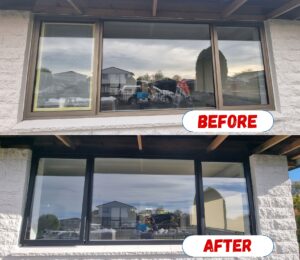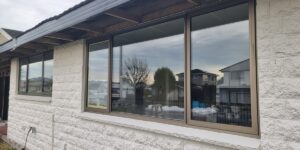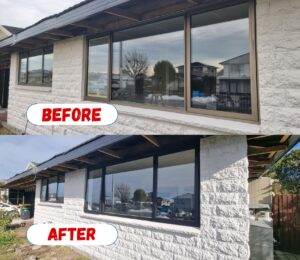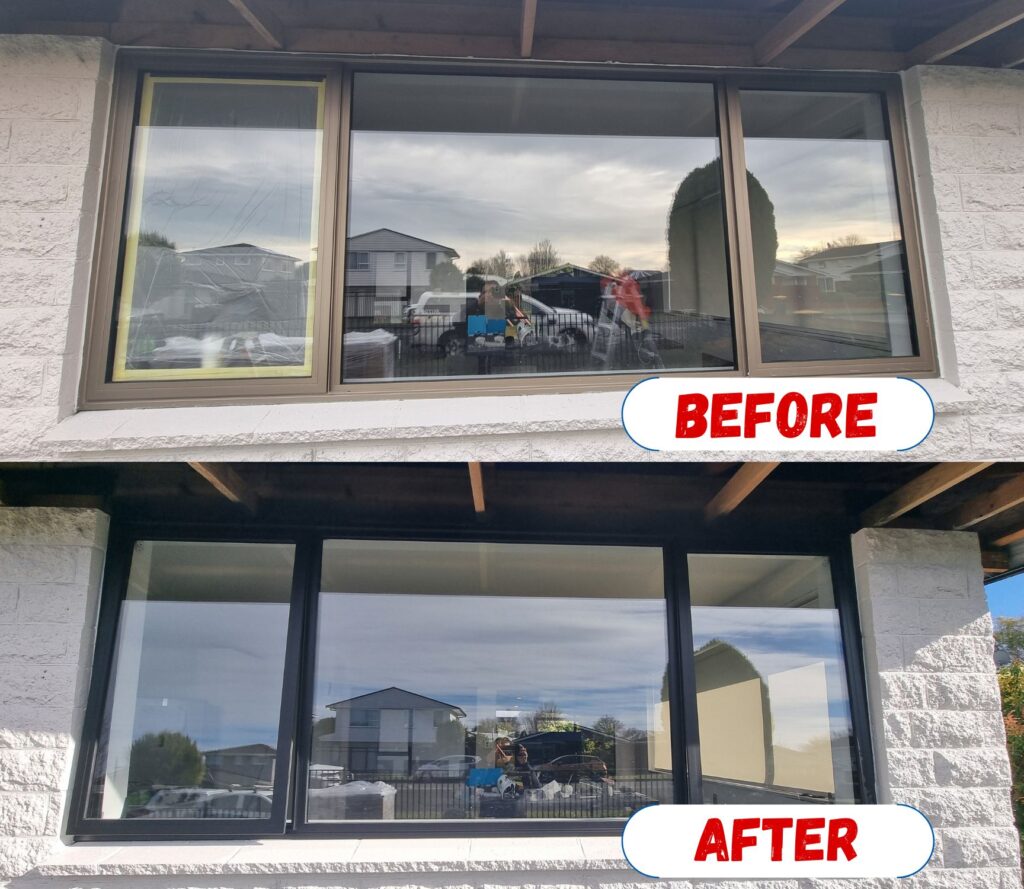
Older-looking windows throughout the house can make it look older than it is. However, if you don’t want to replace your windows and doors, tearing them out may not be your only option. Many times, anodised aluminium can be recoloured, and the frames can be given a new, contemporary look.
It’s not just about applying paint to a frame. Proper cleaning, outfitting, masking and a coating system are required for anodised surfaces. Seals, handles, locks, and nearby surfaces should also be protected.
So, can anodised aluminium be recoloured? Yes, adequate frames can frequently be treated without the entire removal of the joinery. But the condition of the existing surface and design of the frames will dictate the most appropriate approach.
Is it possible to recolour anodised aluminium?
Yes, recolour anodised aluminium is available if the surface to be treated is appropriate. Anodising is a process which forms a protective layer on the outside of the metal. With the passage of time, the finish can fade and become marked or dated. The frame can still be good and functional.
The appearance can be altered by a professional coating process, but it does not mean that the existing windows or doors will need to be taken off.
But not all frames will work. Before considering treatment, it should be assessed by a professional for surface condition.
Will paint adhere to anodised aluminium?
With the proper surface preparation and correct products, it can be. An ordinary paint job may not get the desired look if it is placed over an untreated anodised finish.
A professional process takes into account:
- Existing finish
- Surface cleanliness
- Surface condition
- Preparation method
- Primer requirements
- Coating type
- Application method
- Final use of the frame
What Is Anodising?
It is useful to have an understanding of anodising prior to discussing repainting. Anodising is an electrochemical treatment of the surface of the metal. It gives an anodised finish that can offer protection and give a specific look. Consider it to be like a treated exterior rather than normal paint.
That is why it is essential to prepare when considering a new finish. The professional should know what has been applied already to the frame before deciding on the next coating system.
The process of anodised aluminium recolouring involves a range of stages and steps. The process of aluminium recolouring is a series of stages and steps.
What Happens During Anodised Aluminium Recolouring?
The process normally starts with an inspection. The frames are inspected to determine if they can be treated. Existing finish, access, surrounding surfaces, glass, seals and hardware may all be taken into account.
One of the normal processes could involve:
Existing frames were checked for damage. Existing frame checks were done.
- Cleaning the surface
- Cleaning up the already existing finish.
- Protecting surrounding areas
- Taping around the masking glass and other parts.
- Formulating the coating materials.
- The new finish is applied in this way.
- Drying/curing the coating
- Removing masking
- Inspecting the completed work.
What Stays in Place?
A primary query that homeowners ask is whether their windows should be taken out. In suitable projects, the existing frames may remain in place in many projects.
That does not imply that the window and door system has to be taken out because the appearance changes.
Retention of the existing joinery may minimise the work to be done on the building. It can also contribute to minimising the disruption of the renovation.
Can Anodised Aluminium Windows Be Recoloured in Place?
Often, yes. If the frames are structurally intact and able to be reached, an in-place treatment might be achievable.
While the frame is being finished, the glass and other components can be covered to protect them. It can be a great choice for homeowners who want a different look on their windows without changing the entire window.
What About Door Frames?
The same concept can be used for doors. The entire system can be treated in some instances without the removal of entrance doors, sliding doors or other framed openings. Each opening should be assessed for its condition and design.
How Are Surrounding Surfaces Protected?
It’s a job that comes with protection. The objective is to apply the coating where it is meant to be. Adjacent surfaces, walls, flooring, glass, cladding, furniture and any other exposed surfaces should be protected. Protection Method Depends on the Job and Property.
What May Need Protection?
This can include:
- Window glass
- Door glass
- Walls
- Flooring
- Cladding
- Furniture
- Curtains
- Handles
- Locks
- Hinges
- Rollers
- Nearby fittings
Preparation of the Frames?
One of the most important steps when recolouring anodised aluminium is preparation. The old surface should be suitable to accept the new coating.
Step 1: Inspect the Surface
Surface preparation is the preparation of the existing material for a new coating. This could be a cleaning process and other treatments to make the coating stick to the substrate. The “substrate” is the underlying metal surface that the coating is being applied to, in this case, the aluminium. The first step is to check what condition the frames are in.
A technician may search for the following:
- Fading
- Scratches
- Surface wear
- Corrosion
- Old coatings
- Dirt
- Grease
- Physical damage
Step 2: Clean the Frames.
- The surface should be clean of dirt and other impurities.
- Cleaning eliminates material that may disrupt the coating.
- A clean surface makes for a better starting point for the next stage.
Step 3: Make the Existing Finish Ready.
- The anodised layer must be evaluated and treated per the type of coating system used.
- This stage prepares a surface for the proper bond between the new finish and the surface.
Step 4: Check the Prepared Surface
- A re-check of the surface should be made prior to starting the spray application.
- All other contamination and inappropriate surfaces can be dealt with prior to coating.
- This delicate management is a part of why professional work yields a more uniform result.
Is a Primer Needed?
A preparatory surface coating to aid the bonding of a finishing coat to a surface, or to add other characteristics needed by the coating system.
It depends on the finish and the products to be used and the application technique whether a primer should be used or not.
No single primer is the correct primer for all projects. The coating specialist should not use a cookie-cutter solution but choose a coating that will fit the surface.
How Is Masking Handled?
Masking is the process of covering areas which are not intended to be coated. It is particularly important if frames are being treated while the windows and doors are still in place.
What Gets Masked?
Comprising (but not limited to):
- Glass
- Rubber seals
- Handles
- Locks
- Hinges
- Rollers
- Walls
- Flooring
- Cladding
- Other nearby surfaces
Why Is Masking Important?
If not properly masked, coating can be applied to areas it shouldn’t be.
Neat edges around glass and other items can be created with good masking as well.
It will take some time, but it is worth it for a clean finish.
What Happens to the Glass?
In suitable projects, the glass remains as is.
It can be covered and protected prior to coating.
This means the complete window does not necessarily need to be taken apart.
What is done to protect glass?
Other surfaces and the glass can be covered with protective materials.
The edges should be treated with care and need to be cut so that the new coating lines up with the frame.
How the protection is achieved will be determined by the window design and the type of work being performed.
Is there ever a need to remove glass?
There may be circumstances under which removal is a consideration.
For instance, access may be difficult or a particular repair may be necessary in order to follow the normal process.
The dictum of the day here is that not all projects call for glass removal.
What will happen to Seals and Hardware?
There is a need to pay attention to seals and hardware during the work. A seal is used to close gaps around a window or a door. Handles, locks, hinges, rollers and other moving parts are all hardware. These are treated differently than the main frame.
Are Seals Removed?
Each project has its own solution. Some seals may not have to be removed and can be carefully protected. Others might require attention because of their condition or the frame design. The coating process will not repair existing damage in a seal.
What happens to handles and locks?
Where appropriate, handles, locks, hinges and rollers may be masked, protected or removed. The aim is to safeguard the working sections and keep them operational after the project has finished. The purpose is to preserve the working sections and keep them operating post-project.
When is the removal really needed?
While there are many projects that can be done with the frames in place, sometimes taking them out is the best option. A coating alters the surface. It’s not capable of fixing extensive structural repairs.
Severe Damage
If any frames have:
- Serious corrosion
- Major cracks
- Structural weakness
- Severe distortion
- Extensive deterioration
- Major water damage
Major Design Changes
A replacement might be a better option if you’d like to alter the size or configuration of your windows. In this case, it is unlikely that the existing units will have the desired effect.
Difficult Access
Treatment may be problematic or hazardous in certain areas during the time that the frame is on-site. If so, the contractor may suggest an alternative solution.
How much time will it take to complete the job?
Every property will have a different time frame. Ease of access to a small home or building will take much less time than a large building with a lot of windows and masking. Curing is the process of allowing the coating to harden to the proper condition after application.
What Affects the Time?
These may be the most significant factors:
- Number of openings
- Size of the frames
- Existing surface condition
- Preparation required
- Masking
- Access
- Coating system
- Drying time
- Curing time
- Weather conditions
Why Does Preparation Affect the Schedule?
Preparation can take a significant part of the project. All cleaning, surface preparation, protection and masking must be done before the final finish. If any of these stages are hurried up, it may impact the outcome.
Can You Repaint Anodised Aluminium Windows?
Yes, it is often possible to repaint or recoat the anodised aluminium windows, provided they are suitable. The key is the kind of surface preparation the existing surface has undergone.
A professional should determine if the current finish is suitable and find the appropriate coating system.
The finished product should not be evaluated solely in terms of the new colour. The importance of proper adhesion, surface condition, preparation and application is also important.
Aluminium Joinery Painting?
If you are looking for window and door painting, aluminium joinery painting may be the right option. It might come in handy in the course of an exterior upgrade, a home remodelling, or a commercial facility upgrade.
The process should be planned in terms of the current construction, and not just painted frames. This will help to preserve the adjacent building and working elements.
Will the new finish hold up?
There are multiple factors that determine the durability of a product. These encompass the condition of the original surface, preparation, coating products, application, weathering, and maintenance.
Exterior frames will be exposed to the sun, rain, dust and variations in temperature. Use of an appropriate coating system and preparation work can help to achieve a finish appropriate to its environment.
How to Keep the Finish?
Basic care will keep frames looking in good shape.
Frequent cleaning will be able to get rid of dirt and other deposits.
If harsh cleaners are recommended, be sure to check their compatibility with the coating.
Read and implement care directives given following the project.
Recolouring vs Replacement – Which one to choose?
The answer is contingent on what you’re looking for with the renovation.
Changing the finish of the existing frames might be a good option if they are structurally sound and functional.
Replacement might be a better choice if the units are severely damaged or if a different layout is desired.
Recolouring May Be Better If:
- The existing frames are strong
- Windows and doors function correctly.
- The primary problem is the way it looks.
- You need to have a new shade.
- Less disruption is desired.
- The existing layout is appropriate for the property.
Replacement May Be Better If:
- There are serious damages to the frames.
- Significant performance issues.
- Different window sizes are required.
- You need a new layout
- Hardware or components are irreparable.
- The existing system no longer meets your needs.
Anodised Aluminium Recolouring in Queenstown, Wanaka and Christchurch
The houses and commercial buildings in Queenstown, Wanaka and Christchurch are very different, and in terms of renovation they will have varying requirements.
Sometimes owners have faded frames, but they are fine. Others may be doing a bigger renovation, and should consider if they want to replace or retain the existing joinery.
At NewLook Coatings, we can review projects and provide property owners with the information they need to consider what coatings they can use.
The first place to start is an examination of the current frames and a good discussion of the desired outcome.
Final Thoughts
Anodised aluminium frames, if they are structurally sound and can be used, may be able to be recoloured and a new look achieved without undertaking a complete installation project.
It takes more than painting to make this happen. Taking care of the surface, protection, masking, glass maintenance and hardware and seals are all important.
Otherwise, removal may still be a suitable option if there is significant damage, accessibility problems or a requirement for extensive design modifications.
A renovation project, when planned correctly, should enhance your real estate without adding the extra burden of work. The aim is easy: discover the answer that will provide you with the look, performance, and disruption you need for your project.
Frequently Asked Questions
Is it possible to paint anodised aluminium?
Yes, there are surfaces that can be professionally painted or recoated that are suitable. It’s critical to prepare the surface properly, as the new finish requires good adhesion.
Can You Change the Colour of Anodised Aluminium?
In many cases, yes. An appropriate coating system can add a new look to old frames.
Is Recolouring Suitable for Older Homes?
When the present joinery is good on the older properties they may be suitable. Homeowners can opt for aluminium joinery restoration as part of a larger renovation, rather than taking off all the frames.
Can Anodised Aluminium Windows Be Recoloured?
Yes, anodised aluminium window frames can be treated while they are in place. Care must be taken to protect the glass and surfaces nearby.
Does Paint Stick to Anodised Aluminium?
Yes, when the surface is properly prepared and the right products are used. In this, preparation and adhesion play significant roles.
How Is Anodised Aluminium Prepared for Repainting?
The surface is visually checked, cleaned and prepared for the coating system to be applied. Masking and protection are then completed prior to application.
Do Windows Need to Be Removed?
Not always. Sometimes frames can be treated in place; other times it is necessary to remove them, depending on the severity of the damage, access, or extensive renovation.
How long will this take?
The time varies from case to case depending on the quantity of windows and doors, condition of surface, preparation, masking, access, coating system and site conditions.